Hibachi Vegetables Recipe
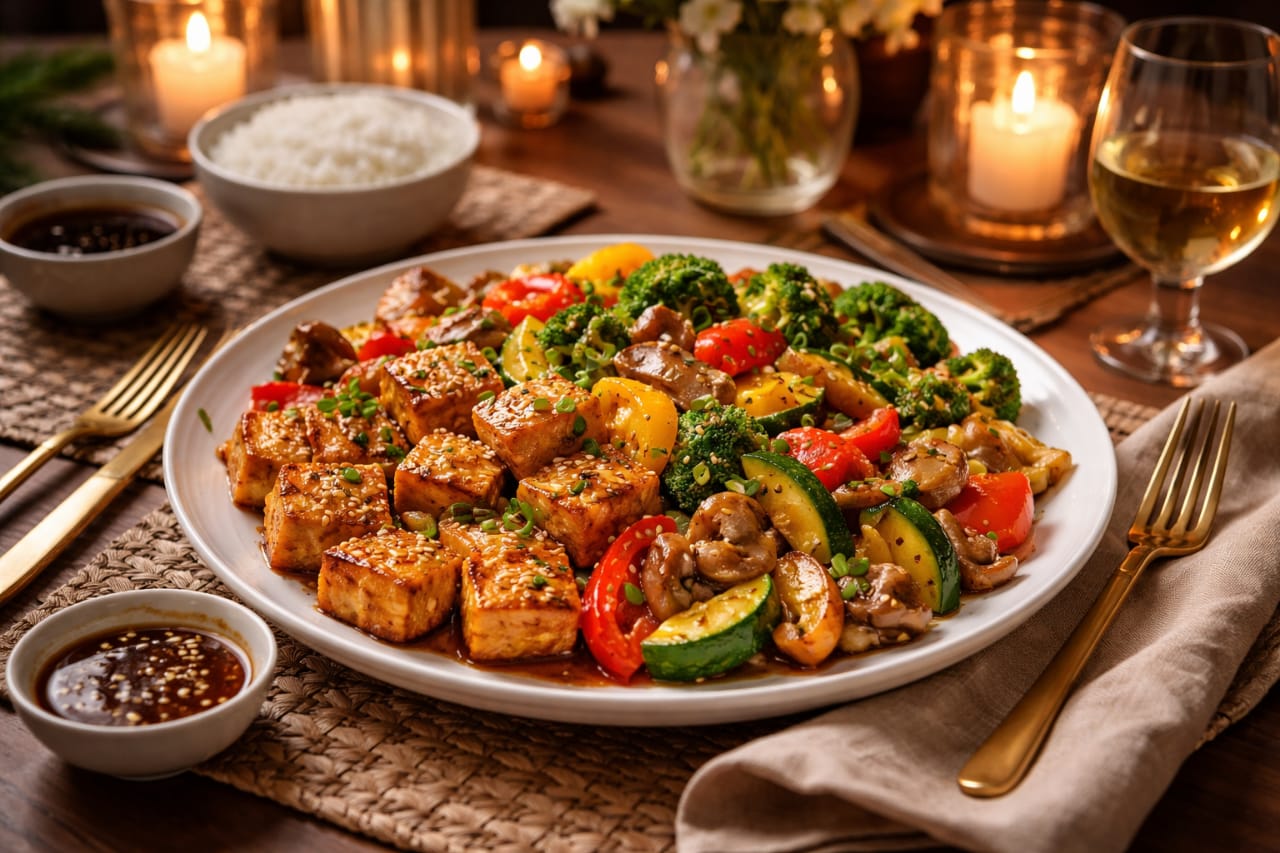
If you are looking for a simple yet delicious dish that pairs perfectly with grilled meats or rice, try this Hibachi Vegetables Recipe. With vibrant colors and a sweet-savory flavor, these stir-fried veggies can elevate your dinner table and are loved by everyone, from picky eaters to gourmet chefs. Let’s jump right into making this easy and satisfying dish!
Why You’ll Love This Recipe
This hibachi vegetables recipe is a delightful addition to any meal.
- Quick and easy to prepare.
- Versatile for different cuisines.
- Healthy and packed with vitamins.
- Perfect for meal prepping.
- Kid-friendly with a burst of flavor.
My Experience Making This Recipe
I first made these hibachi vegetables during a summer barbecue, and they were a hit. The colors from the bell peppers and the crunch from the broccoli made it impossible to resist going back for seconds.

Recipe Overview
- Recipe Name: Hibachi Vegetables
- Servings: 4
- Prep Time: 10 minutes
- Cook Time: 10 minutes
- Total Time: 20 minutes
- Course: Side Dish
- Cuisine: Japanese
- Calories per Serving: 150
Equipment You Will Need
- Large skillet or wok
- Spatula
- Measuring cups and spoons
- Chopping board
- Knife
Ingredient Notes and Substitutions
- Vegetable oil: Used for high heat cooking. Substitute with canola or peanut oil.
- Broccoli: Adds crunch and a nutritious boost. Try green beans for a different texture.
- Bell peppers: They offer sweet notes. Use any color or opt for mushrooms for an earthy flavor.
- Zucchini: This veggie absorbs flavors well. Replace with squash for variety.
- Garlic: Enhances overall flavor. For a milder taste, use shallots instead.
Serving Suggestions
Hibachi vegetables pair wonderfully with grilled chicken, steak, or shrimp. They also complement rice, noodles, or even a fresh salad.
- Grilled chicken skewers
- Steamed jasmine rice
- Sautéed noodles
- Tofu for a vegetarian twist
- Fresh garden salad
Variations to Try for Hibachi Vegetables Recipe
- For a spicy kick, add sliced jalapeños or a sprinkle of red pepper flakes.
- Include snow peas for a sweet snap. They cook quickly and add color.
- Swap out zucchini for asparagus for a seasonal twist with a unique flavor.
- Add in corn for a sweet burst and extra texture.
- Try a drizzle of teriyaki sauce instead of soy for a different sweetness.
Dietary Adaptations
- Gluten-Free: Use tamari or coconut aminos to keep it gluten-free.
- Dairy-Free: This recipe is already dairy-free, perfect for lactose intolerance.
- Vegan/Vegetarian: Naturally, this dish is plant-based and suitable for all diets.
- Low-Carb/Keto: Replace carrots with bell peppers for a lower-carb option.
Storage for Hibachi Vegetables Recipe
Refrigerator
Store leftovers in an airtight container for up to 4 days. Reheat gently to maintain texture.
- Keep in a sealed container.
- Chill within two hours of cooking.
Freezer
While not the best for freezing, you can store them for up to a month. Just know the texture may change.
- Use a freezer-safe container.
- Thaw in the refrigerator before reheating.
Reheating
Reheat in a skillet over low heat for even warming. This also helps maintain that juicy texture.
- Add a splash of water or oil to avoid drying out.
- Stir frequently for even heating.
Hibachi Vegetables Recipe
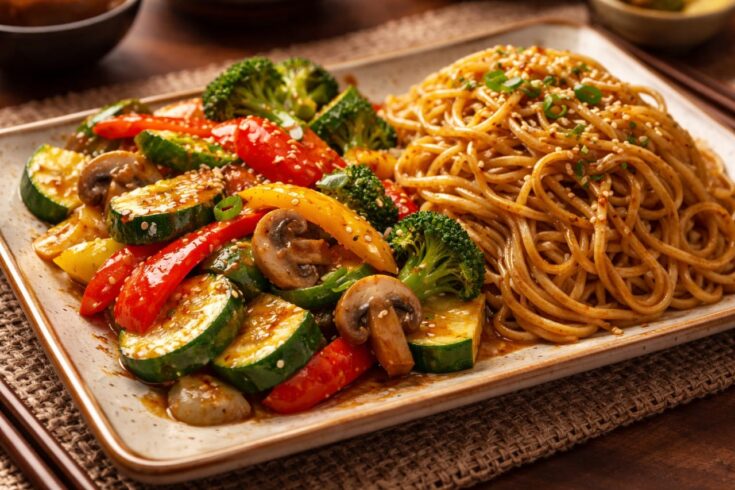
If you are looking for a simple yet delicious dish that pairs perfectly with grilled meats or rice, try this Hibachi Vegetables Recipe. With vibrant colors and a sweet-savory flavor, these stir-fried veggies can elevate your dinner table and are loved by everyone, from picky eaters to gourmet chefs. Let’s jump right into making this easy and satisfying dish!
Ingredients
- 1 tablespoon vegetable oil
- 1 cup broccoli florets
- 1 cup bell peppers (red, yellow, or green) sliced
- 1 cup zucchini, sliced
- 1 cup carrots, thinly sliced
- 2 cloves garlic, minced
- 2 tablespoons soy sauce
- 1 tablespoon sesame oil
- 1 teaspoon sesame seeds (for garnish)
Instructions
Step 1: Prepare the Ingredients
Start by washing and chopping all your vegetables into bite-sized pieces. Uniformity ensures even cooking and delightful presentation.
Step 2: Heat the Skillet
Place your skillet over medium-high heat and add vegetable oil. This creates a hot surface for that sizzling stir-fry effect.
Step 3: Add Broccoli and Carrots
Add the broccoli florets and carrot slices to the skillet. Sauté these first as they take longer to cook through.
Step 4: Stir in Zucchini and Bell Peppers
Add the sliced zucchini and bell peppers once the broccoli turns bright green. The vibrant colors will brighten up your cooking space.
Step 5: Add Garlic
Once the vegetables start to soften, throw in the minced garlic. The aroma will fill the kitchen, inviting everyone to the table.
Step 6: Drizzle in Soy Sauce
Pour the soy sauce over the veggies and stir well. This adds depth and that quintessential hibachi flavor.
Step 7: Finish with Sesame Oil
Remove the skillet from the heat and drizzle sesame oil on top. This will enhance the dish’s richness and aroma.
Step 8: Serve and Garnish
Transfer the finished hibachi vegetables to a serving platter and sprinkle sesame seeds for garnish. This tiny touch makes a big difference in presentation.
Pro Tip: Always use high heat for a great sear on the vegetables to amplify flavors.
Notes
Tips for the Best Hibachi Vegetables
- Make sure your skillet is hot before adding vegetables for optimal browning.
- Don’t overcrowd the pan; cook in batches if necessary to get that perfect sear.
- Try using fresh garlic, which gives a more robust flavor compared to jarred versions.
- For extra crunch, consider adding sprouts or snap peas just before serving.
- Experiment with different soy sauces, like low-sodium or tamari, based on your taste.
Common Mistakes to Avoid When Making hibachi vegetables recipe
- Overcooking the vegetables can lead to a mushy texture. Keep an eye on their doneness.
- Using cold oil can lead to steamed rather than sautéed vegetables. Always heat your oil first.
- Not chopping vegetables evenly can result in uneven cooking. Aim for similar sizes for all pieces.
- Forgetting to season properly will dull the flavors. Taste as you go for the best results.
Nutrition Information:
Yield:
4Amount Per Serving: Calories: 150Total Fat: 7gSaturated Fat: 1gSodium: 400mgCarbohydrates: 17gFiber: 4gSugar: 3gProtein: 4g
Frequently Asked Questions
Can I substitute the soy sauce?
Yes, tamari or coconut aminos work well for a gluten-free option.
Can I make these veggies ahead of time?
Absolutely! Prepare them ahead and store in the fridge; just reheat before serving.
How do I store leftovers?
Store leftovers in an airtight container in the refrigerator for up to four days.
Why are my vegetables soggy?
Overcooking or using too much oil can lead to soggy vegetables. Stir-fry over high heat for crispness.
Can I add protein to this dish?
Definitely! To incorporate chicken, shrimp, or tofu, cook them first and then add the veggies.
Final Thoughts
This Hibachi Vegetables Recipe is a quick and colorful dish that enhances any meal. Whether paired with grilled proteins or enjoyed solo, it’s sure to be a family favorite. Try this recipe today, and experience the joy of a delicious home-cooked hibachi dinner!